


How to Choose an Adhesive for Electronics Repair
Adhesives differ in their intended use, colour, application method, and curing process. Before purchasing, check which part you need to secure and which materials the adhesive may come into contact with.
| Planned Task | Suitable Product Type |
|---|---|
| Bonding a display, frame, or housing | Repair or structural adhesive |
| Bonding a black frame or housing | Black repair adhesive |
| Bonding without a visible coloured joint | Transparent repair adhesive |
| Bonding a touchscreen to a display | LOCA adhesive intended for touchscreens |
| Bonding with UV-light curing | UV adhesive |
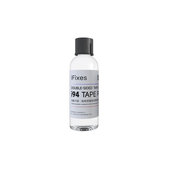
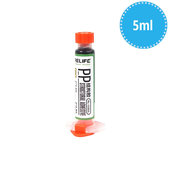
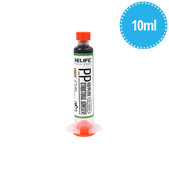
| Improving the adhesion of double-sided tape | Primer for adhesive tapes |
| Securing components or filling the space beneath a chip | Specialised adhesive intended for the specific repair |
| Precise application of thicker adhesive | Adhesive dispensing gun or suitable applicator |
Universal Repair Adhesives
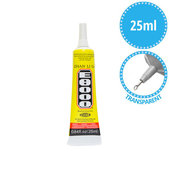
Repair adhesives labelled, for example, B-6000, B-7000, T-7000, T-8000, E6000, E7000, or E8000 are used for various electronics repairs. They are available in transparent or black versions and in several package sizes.
Depending on the intended use specified for the particular product, they may be used for bonding:
- displays and their frames,
- rear housings,
- smaller plastic or metal parts,
- other components listed by the adhesive manufacturer as suitable materials.
The differences between individual product labels cannot be determined from the name alone. Before use, always check the properties and recommended application of the specific product.
Transparent and Black Adhesives
Transparent adhesive is suitable where the joint should remain as inconspicuous as possible after curing. Depending on the product type, it may be used, for example, for bonding frames, housings, or smaller components.
Black adhesive may be more suitable for dark frames and housings because it blends in better around the bonded joint.
However, colour should not be the only selection criterion. The intended use of the adhesive, its compatibility with the material, and the correct working procedure are more important.
Structural Adhesives for Frames and Rear Housings
Structural adhesives are designed to securely bond selected parts of a device. The range includes products intended, for example, for rear glass panels, housings, display frames, and camera lenses. Some are supplied together with an adhesive dispensing gun.
Depending on the specific product, they may be used for bonding:
- rear glass panels,
- rear housings,
- display frames,
- selected camera components.
Before application, remove any remaining original adhesive and clean the surface. Apply the adhesive evenly and only in the amount required to create the joint.
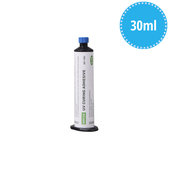
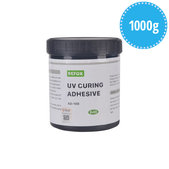
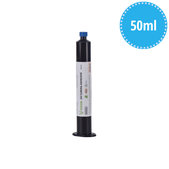
UV Adhesives
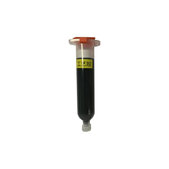
UV adhesives cure after application using suitable UV light. This category includes products for securing lenses, light filters, touchscreens, and other repairs for which the manufacturer specifies UV-light curing.
When working with UV adhesive, follow the recommended:
- layer thickness,
- adhesive placement,
- UV-light wavelength,
- curing time stated by the manufacturer.
Check the position of the bonded part before curing. Once the adhesive has cured, correcting or repositioning the part may be considerably more difficult.
LOCA Adhesives for Touchscreens
LOCA is a liquid optical adhesive used in selected display repairs where a touchscreen or protective glass is bonded to the display panel. The range includes separate UV LOCA adhesive intended for bonding touchscreens.
Working with LOCA adhesive requires suitable equipment and experience because an incorrect amount or procedure may cause:
- air bubbles,
- uneven adhesive distribution,
- leakage into unwanted areas,
- damage to or deterioration of the display.
LOCA adhesive is not intended for attaching the complete display to the device frame.
Primers for Adhesive Tapes
A primer is applied to a suitable surface before using double-sided adhesive tape. Its purpose is to improve tape adhesion where recommended by the manufacturer.
This category includes primers for double-sided adhesive tapes in various package sizes.
Apply the primer only in a thin layer to the intended area. Before applying the tape, follow the working procedure and drying time specified by the manufacturer.
Specialised Adhesives for Electronics Repair
Some repairs require an adhesive designed for a precisely defined component or procedure. The range includes, for example, adhesives for LCD display repair, securing lenses and light filters, Face ID servicing, or filling the space beneath integrated circuits.
Depending on the intended use of the specific product, they may be used for:
- display repairs,
- securing small optical components,
- work around sensors,
- securing or protecting components on a printed circuit board.
Do not replace these products with a universal adhesive without checking suitability first. An unsuitable composition, hardness, or curing method may affect the operation of the repaired component.
How to Choose the Colour and Package Size
A smaller package is suitable for a one-off or occasional repair. A larger package may be more practical for a repair shop that regularly uses the same type of adhesive.
When choosing the colour, consider the appearance of the bonded part and the joint:
transparent adhesive is less visible on light-coloured or transparent parts,
black adhesive may blend in better with a dark frame or housing.
After opening, store the adhesive according to the manufacturer’s instructions and always close the cap securely.
Surface Preparation Before Bonding
The quality of the bond also depends on correct surface preparation. Before applying the adhesive:
- remove any remaining original adhesive and tape,
- remove dust and grease from the surface,
- check that the surface is not damaged or deformed,
- allow it to dry completely,
- use a primer intended for the relevant adhesive or tape where necessary.
Use only a cleaning product suitable for the specific material. Some solvents may damage plastic, paint, seals, or surface finishes.
Applying and Curing the Adhesive
Apply the adhesive evenly in a thin layer. Excessive amounts may be squeezed into connectors, speakers, microphones, cameras, or other sensitive components when the parts are pressed together.
After joining the parts, observe the time required for initial bonding and complete curing. Depending on the type of repair, clamps or other fixing tools may be used during curing to keep the part in the correct position.
Do not place the device under load or switch it on before the procedure specified for the particular product allows it.
Safe Use of Adhesives
Before use, read the instructions and safety warnings provided on the product.
When working:
- switch off the device and disconnect it from the power supply,
- disconnect the battery where possible,
- work in a well-ventilated area,
- use the recommended protective equipment,
- avoid contact between the adhesive and your skin or eyes,
- do not expose the adhesive to flames or high temperatures,
- do not mix adhesives unless recommended by the manufacturer,
- keep them out of reach of children.
Discounts for DIY Repairers and Repair Shops
DIY repairers can receive discounts on spare parts, tools, and repair products through the Fix-Handyman programme.
Professional repair shops, companies, and regular customers can benefit from wholesale cooperation with discounts on spare parts, tools, and repair products based on achieved turnover.
Frequently Asked Questions - FAQ
What adhesive should I use to attach a display?
Use a repair or structural adhesive for which the manufacturer specifies suitability for displays or their frames. The choice also depends on the frame material, joint colour, and working procedure.
Is LOCA adhesive suitable for attaching a display to the frame?
No. LOCA adhesive is intended for optically bonding display layers, such as a touchscreen to the display panel. A different type of adhesive or adhesive tape is used to secure the complete display in the frame.
Will new adhesive restore the device’s original water resistance?
Replacing the adhesive alone does not guarantee restoration of the device’s original resistance to water or dust. The result depends on the device design, the material used, application accuracy, and subsequent testing.
Can I use universal adhesive on a camera or sensor?
Use only an adhesive suitable for the specific component. An unsuitable product may leak onto an optical part, change the position of the component, or affect sensor operation.
Why does the adhesive not stick to the frame?
Possible causes include remaining original adhesive, grease, dust, moisture, a damaged surface, an unsuitable adhesive, or failure to observe the required curing time. Some surfaces may also require a primer.
When can I use the device after bonding?
Only after the adhesive has cured sufficiently according to the manufacturer’s instructions. The time may vary depending on the adhesive type, layer thickness, temperature, and curing method.
Can dried adhesive be removed?
This depends on the type of adhesive and the surface material. Use a suitable remover and proceed carefully to avoid damaging plastic, paint, seals, or electronic components.
Related Categories
Adhesive Tapes
Chemicals and Cleaning Products
Cleaning Tools
Disassembly Tools
Holders and Fixing Tools
Soldering Tools
UV Lamps and Lights

