


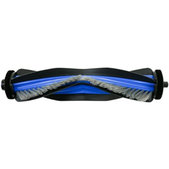
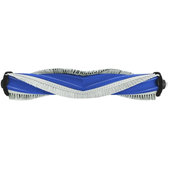

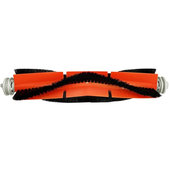
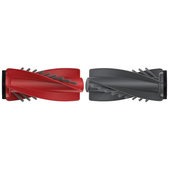
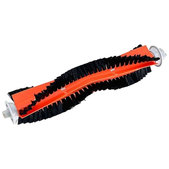
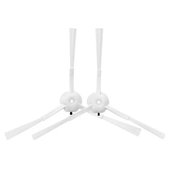
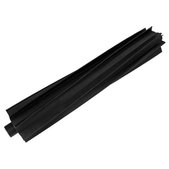
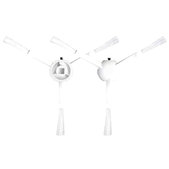
What types of brushes do vacuum cleaners use?
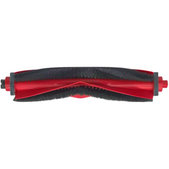
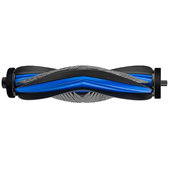
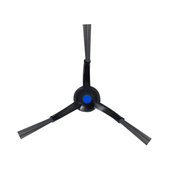
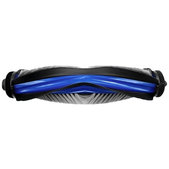
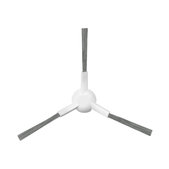
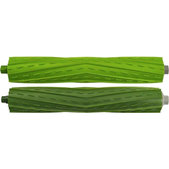
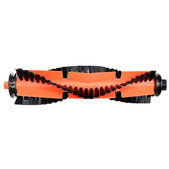
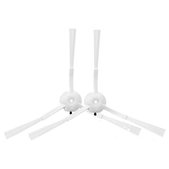
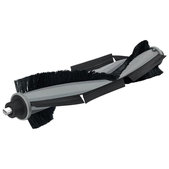
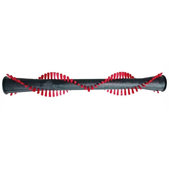
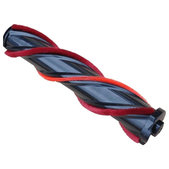
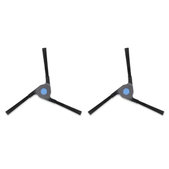
Different types of vacuum cleaners use different brushes depending on the cleaning method and device design. When choosing a spare part, it is important to distinguish between a main, side and additional brush.
How can you identify a worn vacuum cleaner brush?
Brushes are among the vacuum cleaner parts that gradually wear out with regular use. Damaged or significantly worn brushes can reduce cleaning efficiency and cause problems with the movement of the cleaning mechanism.
Not every brush problem automatically means that it needs to be replaced. In some cases, it is enough to remove tangled hair, fibres or other dirt. However, if the brush itself is mechanically damaged or significantly worn, replacing it with a compatible spare part is recommended.
How do you choose a brush compatible with your vacuum cleaner?
When choosing a spare brush, it is not enough to look only at its appearance. Brushes that look similar may have different dimensions, fastening methods or designs.
Always assess compatibility according to the specific product. The same brand or a similar model designation does not guarantee that the spare brush will be suitable for your vacuum cleaner.
Original or spare brush – what is the difference?
When choosing a vacuum cleaner brush, you may come across both original and aftermarket spare parts. Both options can be a suitable solution; compatibility and the quality of the specific product are the most important factors.
With aftermarket parts, the material quality, service life and workmanship may vary depending on the manufacturer. Before purchasing, we therefore recommend checking the compatibility and specifications of the specific brush.
Proper maintenance of vacuum cleaner brushes
Regular maintenance helps preserve the functionality of the cleaning mechanism and may extend the service life of the brushes. When cleaning, always follow the manufacturer's instructions for the specific vacuum cleaner.
We recommend:
- Remove tangled hair and threads that may prevent the brush from rotating.
- Regularly check the bristles and rubber blades and monitor their wear.
- Clean the area around the brush fastening, where dirt may accumulate.
- Check that the brush rotates freely and look for any mechanical damage.
- Replace significantly worn or damaged parts if cleaning does not help.
Not all brushes can be washed with water. Especially for motorised heads and components with electronics, it is necessary to follow the manufacturer's recommendations.
Frequently Asked Questions (FAQ)
The replacement interval depends on the specific model, intensity of use and type of surfaces cleaned. Some manufacturers state recommended maintenance and replacement intervals directly in the vacuum cleaner app. The brush should be checked regularly and replaced when significantly worn or damaged.
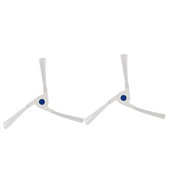
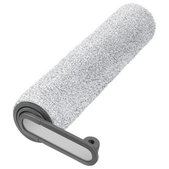
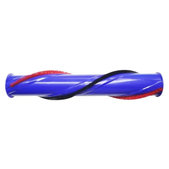
The main brush helps loosen and collect dirt from floors or carpets. The side brush sweeps dirt from walls and room edges towards the vacuum cleaner's main cleaning section. The two brushes therefore perform different tasks.
Yes, if the aftermarket brush is compatible with the specific device model. When choosing, we recommend checking the model designation, dimensions, fastening method and the information provided with the product. The quality and service life of aftermarket parts may vary.
The cause may be tangled hair, fibres or other dirt preventing rotation. However, the problem may also be caused by a damaged brush, its fastening or the drive mechanism. If cleaning does not help, the cause of the fault must be investigated.
Some spare brushes are intended for multiple Xiaomi and Roborock models, but this is not universally the case. Compatibility must be verified according to the exact vacuum cleaner designation and the list of supported devices for the specific product.
If the side brush is only dirty or has tangled hair on it, cleaning it is often sufficient. However, if the bristles are significantly deformed or broken, or the fastening is damaged, replacing the brush is the appropriate solution.
First, check the exact model designation of your vacuum cleaner. Then search for a spare brush and check its compatibility stated in the product details. The brush type and fastening method are also important, because parts that look similar may not be interchangeable.

