How to choose tempered protective glass?
When choosing tempered glass for a mobile phone, tablet or smartwatch it is important to consider the shape of the display, the extent of coverage, compatibility with the specific device and the properties of the material used. Individual versions differ in their application method and additional features. We have prepared an overview of the individual versions, an explanation of the designations used and practical advice on how to apply protective glass correctly.
Tempered Glasses for Mobile Phones
Protective glasses for mobile phones differ in display coverage and additional features. When choosing, consider compatibility with the specific phone model, protective case and any fingerprint reader.
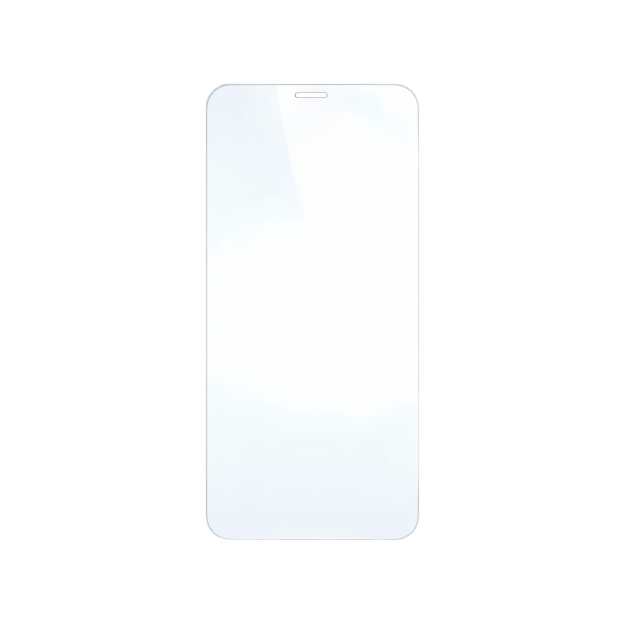
Classic Tempered Glasses
They protect the flat part of the display from scratches and normal wear. They may not extend all the way to the edges.
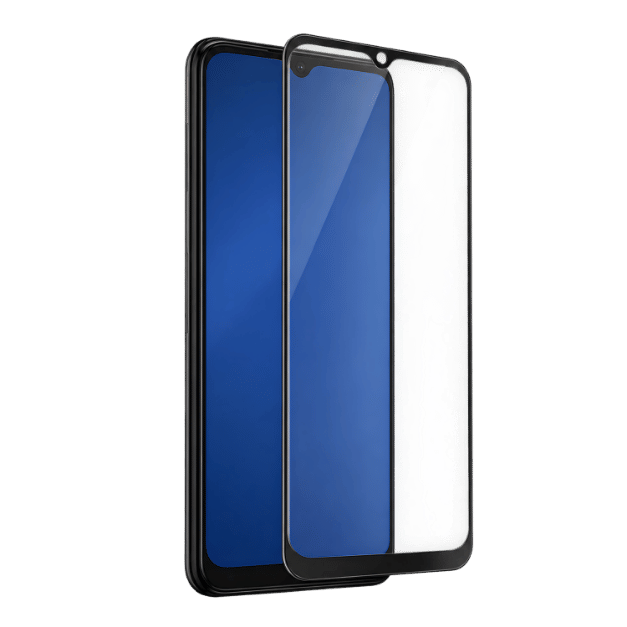
FullCover
Provides extended display coverage, including its edges. The exact extent of protection depends on the specific glass model.
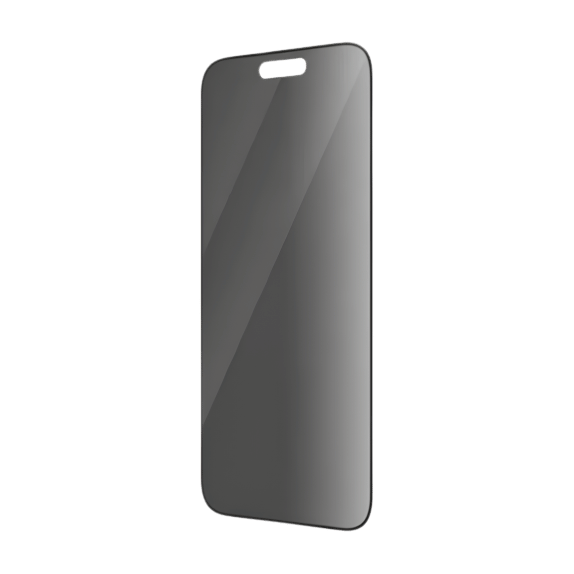
Privacy / Anti-Spy
Limits the visibility of display content when viewed from the side and helps protect privacy.
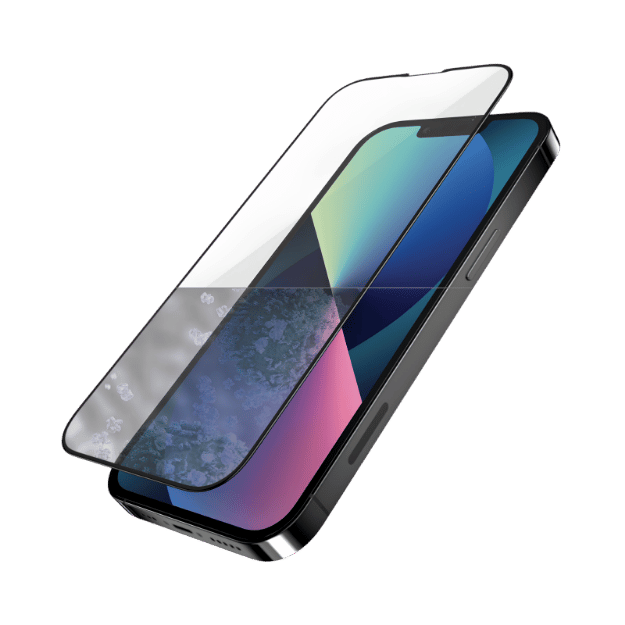
Special Modifications and Materials
These include glasses with anti-reflective, antibacterial or other surface treatments, as well as more flexible protective materials.
Tempered Glasses for Tablets
The larger tablet display increases the risk of scratches during carrying and handling. The exact device model and desired extent of protection are important when choosing. If you use a stylus, also consider the glass's compatibility with the stylus.
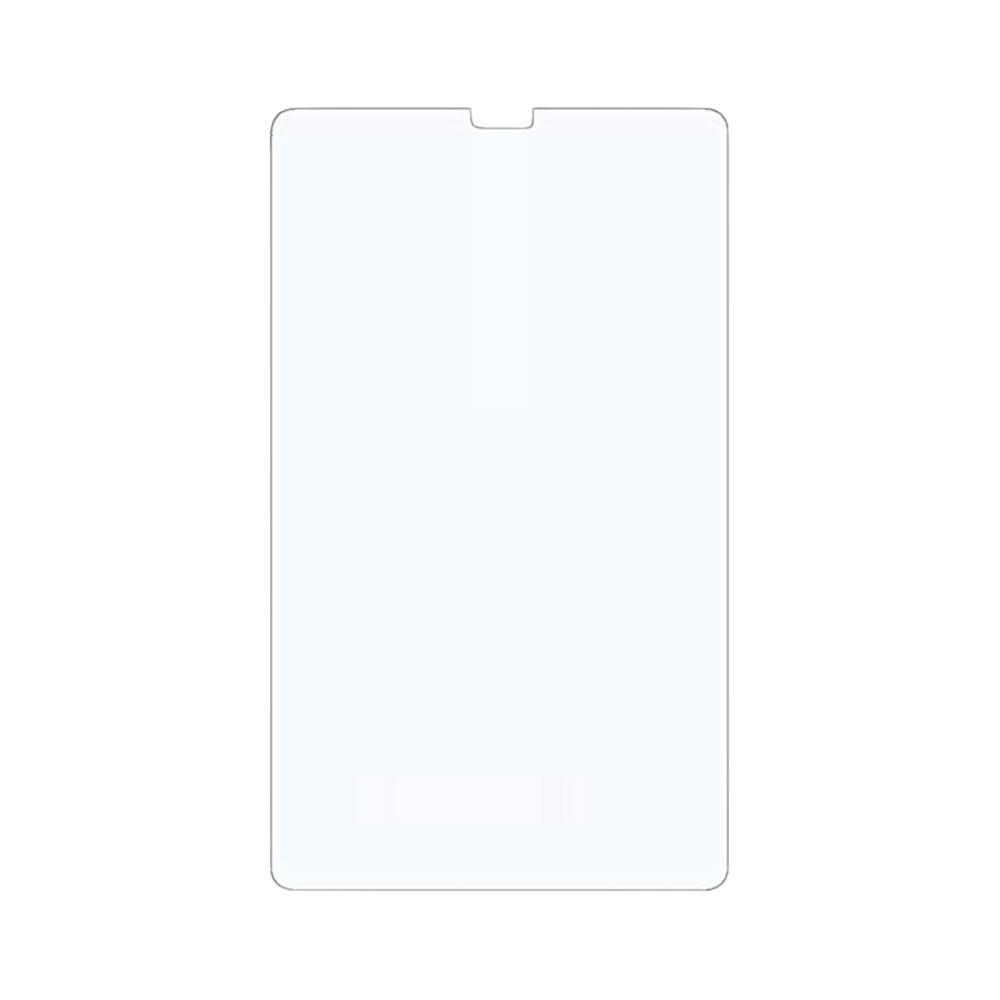
Classic Tempered Glass
Provides basic screen protection against scratches and everyday wear.
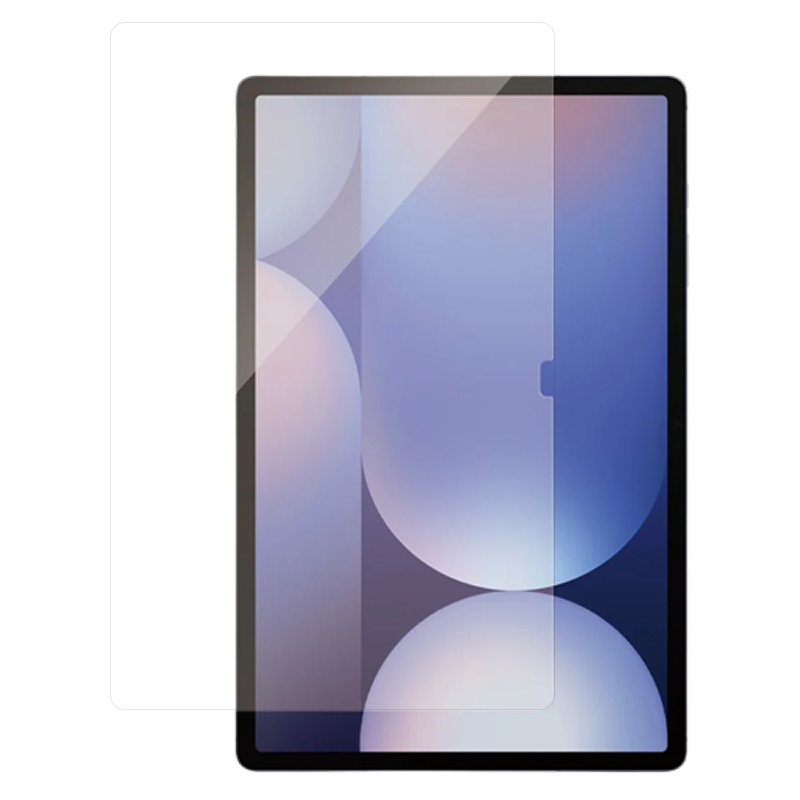
UWF
Offers extended display coverage with an emphasis on protecting as much of the screen area as possible.

UWF Privacy
Combines extended display coverage with limited visibility of content when viewed from the side.
Tempered Glasses and Plexiglass for Smartwatches
When choosing smart watch display protection, the exact model, display size and shape are decisive. Individual generations may have different dimensions or curvature. The range includes various versions of tempered glasses as well as more flexible protective materials.
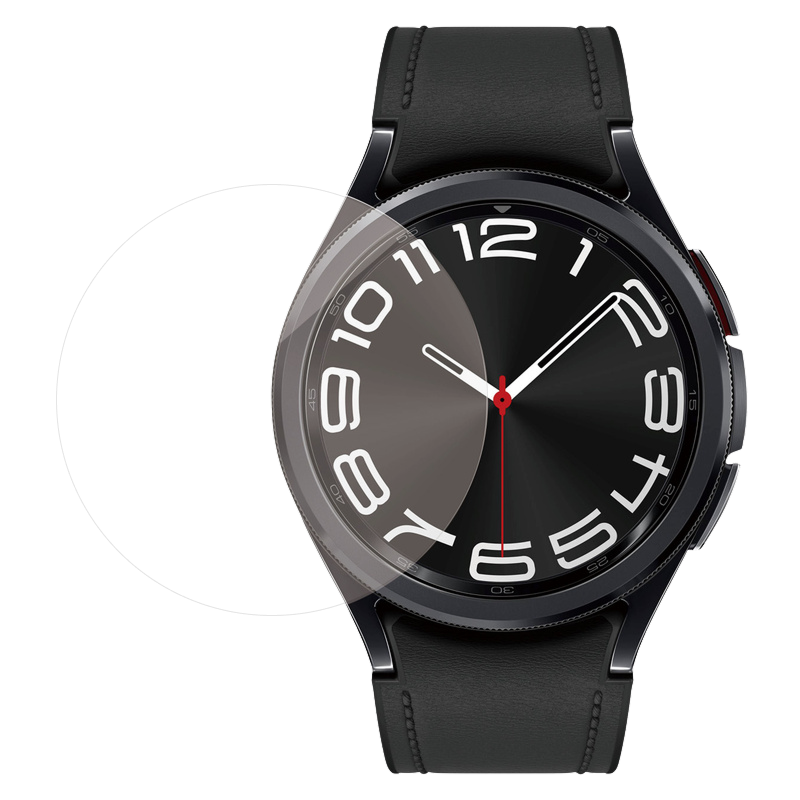
Classic / Flat Glass
Protective glasses designed primarily for the flat surface of a watch display.
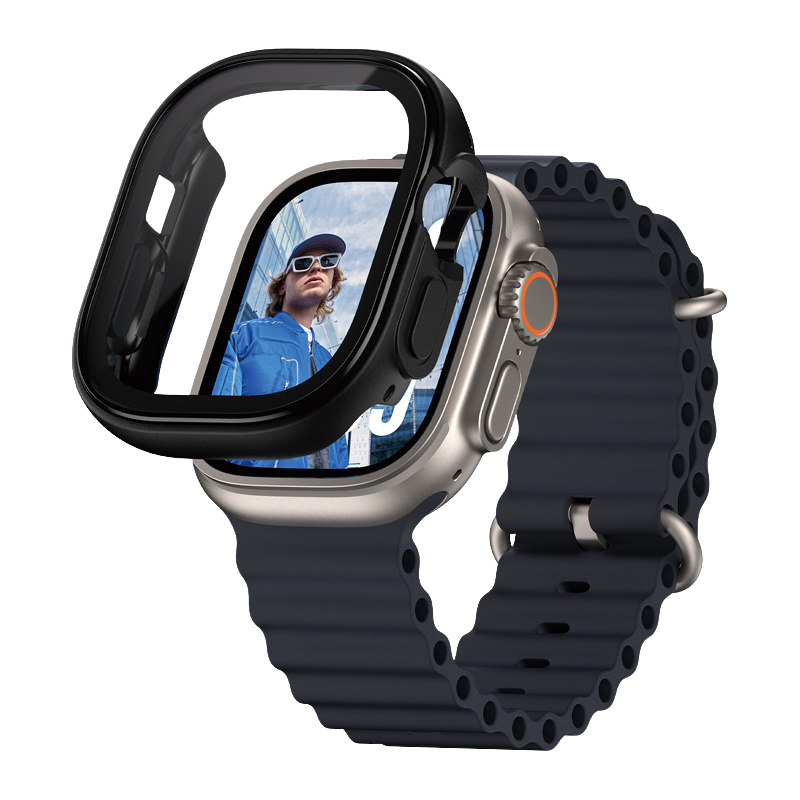
Full Body / Full Body Slim
Protective glass combined with a case that protects both the display and the watch body.
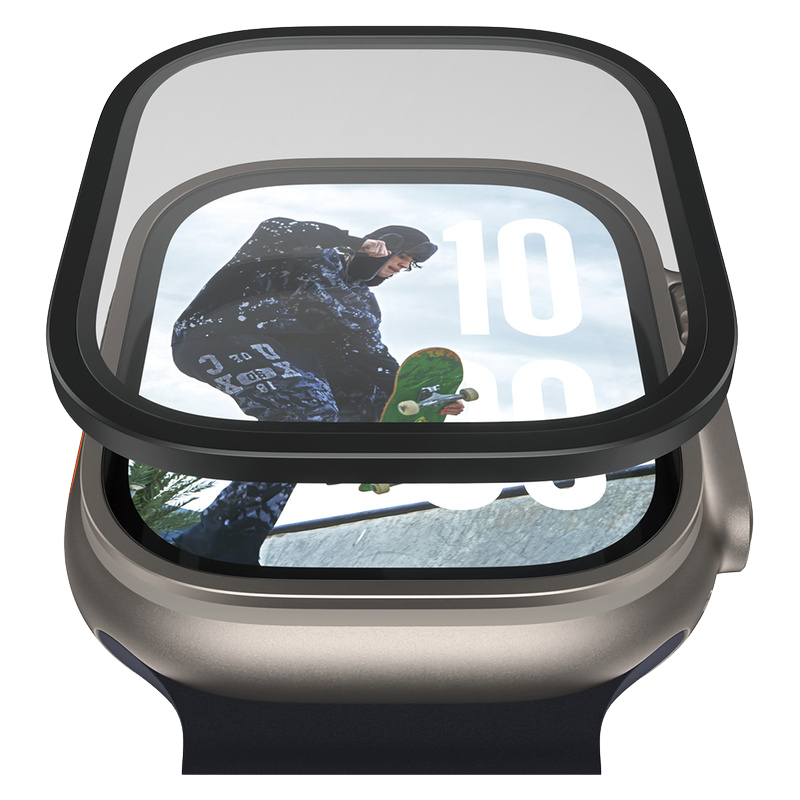
UWF / UWF Metallic
Glasses with extended display coverage. Metallic has a metallic surface finish.

Plexiglass
Transparent display protection made of durable plastic material that is lighter and more flexible than classic tempered glass.
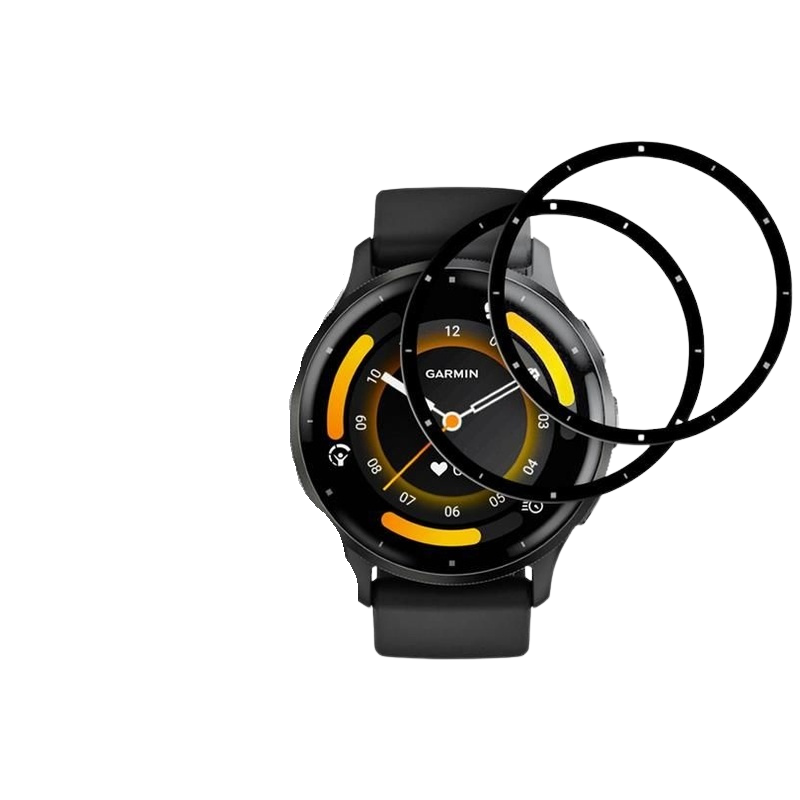
Hybrid Glass
Combines the properties of tempered glass and a protective film. Thanks to its more flexible construction, it can better adapt to the shape of the display.
What Do Other Protective Glass Designations Mean?
| Designation | Meaning |
|---|
| Anti-Glare / Anti-Reflective | Treatments designed to limit glare or light reflections. |
| Anti-Blue Light / EyeCare | A treatment designed to reduce the amount of blue light passing through the glass. |
| Ceramic / Ceramic II | A more flexible protective material. |
| 2D / 2.5D / 3D | Designations indicating the shape and curvature of the glass. The exact version depends on the manufacturer. |
| 9H Hardness | Surface resistance to scratches according to the pencil hardness test, not shatterproofness. |
| Oleophobic | A surface treatment designed to limit greasy fingerprints. |
| Applicator / FastFit / Quick Set | A tool for applying the glass more easily and accurately. |
Tempered Glass or Protective Film?
Tempered Glass
It is made of a strong and hard material that provides high scratch resistance and helps protect the display from damage.
Protective Film
It is thinner and more flexible. It is primarily used to protect against minor scratches and can better adapt to curved surfaces.
Rear Camera Protection
In addition to the display, you can also protect the rear camera of your mobile phone.
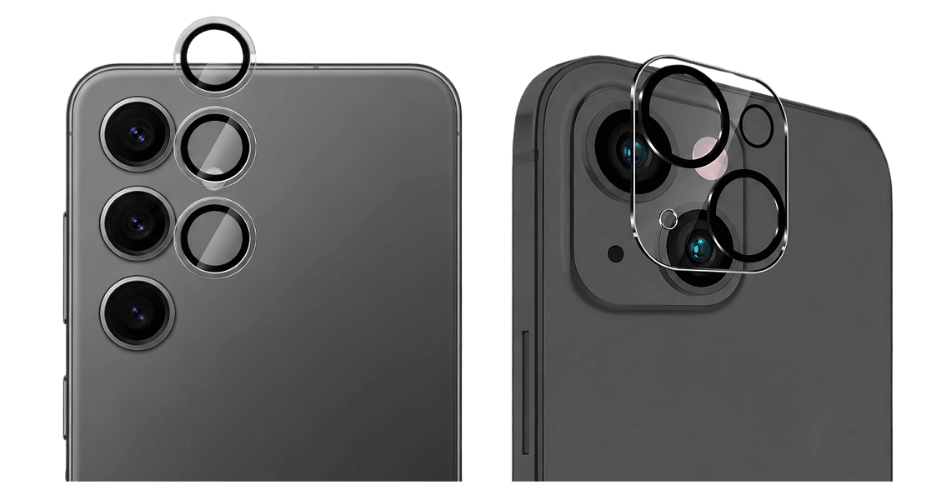
Tempered Glass for the Rear Camera
Helps protect the outer part of the camera from scratches. It is available with or without a frame.
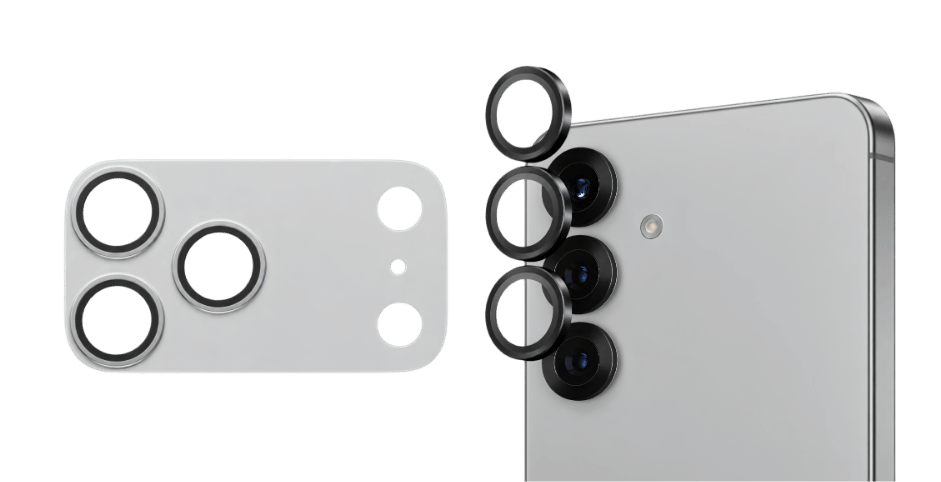
Protective Lens Cover
Separate protective covers for camera lenses that help reduce the risk of scratches during everyday use.
How to Apply Protective Glass Correctly?
The procedure may vary slightly depending on the manufacturer and type of protective glass.
1
Check Compatibility
Place the glass against the device and check the dimensions, shape and cut-outs.
2
Clean the Surface
Remove grease, dust and dirt using a suitable cleaning kit.
3
Align the Glass
Check its position and, if necessary, use the supplied applicator.
4
Apply the Glass
Follow the manufacturer's instructions and ensure proper adhesion.
5
Complete the Application
When protecting the rear camera, also check that the protection does not obstruct the lenses or flash.
Frequently Asked Questions (FAQ)
Is tempered glass also suitable for a curved display?
Yes, if it is intended for the specific device model. With curved displays, the correct shape and method of attachment are important.
Can tempered glass affect touch control?
Yes, especially if it is not compatible with the device or has been applied incorrectly.
Will the glass affect the fingerprint reader?
Yes, it may. It depends on the phone model and protective glass. On some devices, it may be necessary to register the fingerprint again.
Can tempered glass be used together with a protective case?
Yes, if they are mutually compatible. The case must not press against the edges of the glass and cause it to peel off.
Can tempered glass be reused after being removed?
It is generally not recommended. The adhesive layer may be damaged during removal, or dirt may get under the glass.
When does protective glass need to be replaced?
If it cracks, the edges chip, it becomes significantly scratched or no longer adheres sufficiently to the display.
Can protective camera glass reduce photo quality?
Yes. Damaged, dirty or incorrectly applied glass can cause glare, blurring or a deterioration in the resulting photos.
MORE BENEFITS WHEN SHOPPING
Better value on replacement parts
Whether you repair devices yourself or professionally, take advantage of better prices on replacement parts, tools and other equipment through the Fix-Handyman and FixPartner programs.


