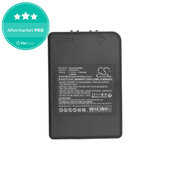
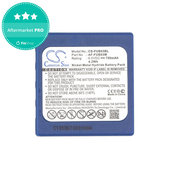
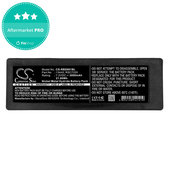
How do you choose the right battery for a remote control?
Choose the right spare battery based on the remote control model, the marking of the original battery and its technical specifications. Voltage, battery type, capacity, dimensions and contact design are particularly important. The same appearance or voltage does not necessarily guarantee compatibility.
Where are batteries for remote controls used?
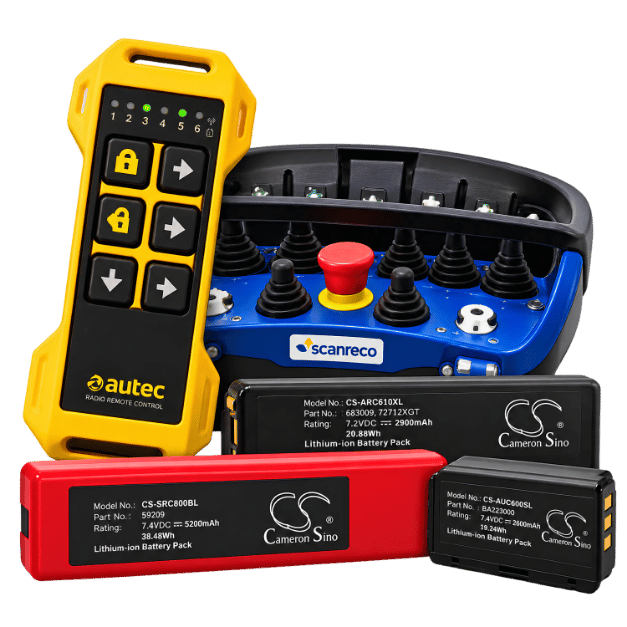
Batteries for crane and industrial remote controls
They are used in radio remote controls for overhead cranes, hydraulic arms, lifting equipment and material-handling machinery. They power transmitters that operators use to control the movement of the machine remotely. These include batteries for HBC Radiomatic, Autec, Scanreco and more.
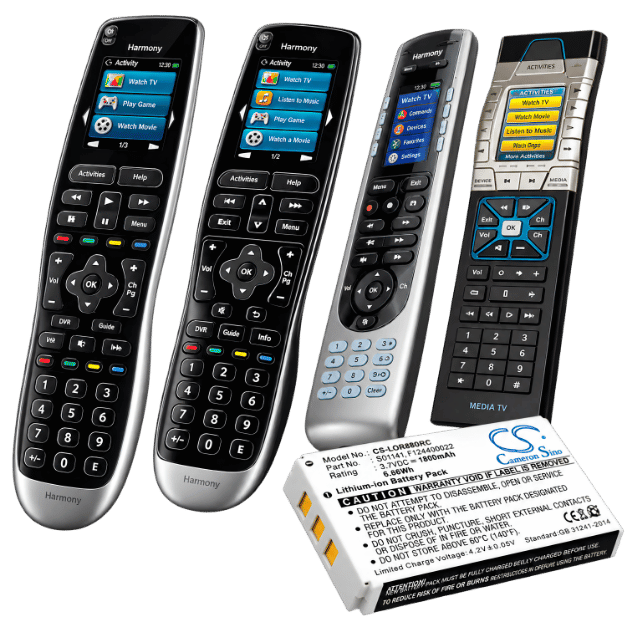
Batteries for multimedia remote controls
They are used in rechargeable remote controls for televisions, players and home electronics, such as Logitech Harmony. They allow a worn-out battery to be replaced without replacing the entire remote control.
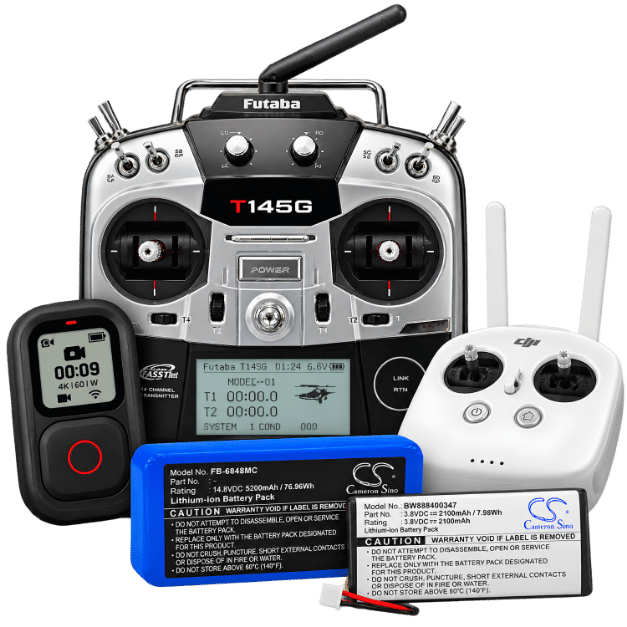
Batteries for RC transmitters and camera remote controls
They power transmitters used to control RC models, drones and compatible camera remote controls. Our range includes batteries for Futaba, Flysky, GoPro and more.
What types of rechargeable batteries are used in remote controls?
Ni-MH batteries
They are mainly used in industrial radio remote controls and RC transmitters. They are available with various voltages and capacities. They require a compatible Ni-MH charger.
Li-Ion batteries
They are used in industrial and multimedia remote controls. They are characterised by high energy density and low self-discharge.
Li-Pol batteries
They are used in RC transmitters, camera remote controls and industrial remote controls. They enable a compact design and require suitable charging.
Ni-MH, Li-Ion and Li-Pol batteries are not automatically interchangeable.
Which parameters should you focus on when choosing a battery?

Battery marking
The code of the original battery, such as RSC7220, BA225000 or LPM01, helps you find a compatible spare.

Voltage (V)
It must match the requirements of the remote control. Incorrect voltage may damage the device.
Capacity (mAh)
A higher capacity may extend operating time if the battery is compatible with the remote control.

Dimensions and contacts
Check the battery shape, dimensions, contact position, polarity and any connector.
What is the procedure for replacing a battery in a remote control?
1
Find out the exact remote control model and the marking of the original battery.
2
Compare the voltage, technology, capacity, dimensions and contacts with the spare battery.
3
Switch off the remote control before replacement and follow the manufacturer's safety procedure for industrial equipment.
4
Insert the battery according to the instructions and check that the power supply and charging work correctly before use.
For remote controls of industrial machines, use only batteries intended for the specific remote control model.
When should you replace the battery in a remote control?
The battery should be replaced when it can no longer provide sufficient operating time or reliable power to the remote control. Typical symptoms include:
Shortened operating time
After a full charge, the remote control operates for significantly less time than before.
Rapid discharge
The battery loses its charge even with limited use or is unable to maintain sufficient capacity.
Damage or overheating
Stop using a swollen, mechanically damaged or unusually hot battery and do not charge it.
Before replacing a functionally worn battery, also check the condition of the contacts and charger, as the battery itself may not be causing the problem.
Frequently Asked Questions (FAQ)
Can I use a battery with a higher capacity than the original?
Yes, if it is compatible with the remote control and its charging system. It must meet the requirements for voltage, technology, dimensions and contacts. A higher capacity may extend operating time.
Can I charge the new battery with the original charger?
Yes, provided that the charger is also intended for the specific spare battery. The same connector or a similar appearance does not mean that charging is safe.
Are batteries for different remote control models of the same brand interchangeable?
Not always. Remote controls from the same brand may also use batteries with different specifications. Before purchasing, compare the marking of the original battery and the list of compatible models.
Why is the new battery not charging in the remote control?
The cause may be an incorrect battery type, an incompatible charger, dirty contacts or a fault in the charging system. Check compatibility and the recommended charging method.
How should you store a spare battery for a remote control?
Store the battery in a dry place away from direct sunlight and extreme temperatures. For long-term storage, follow the manufacturer's recommendations for the specific technology and charge level.
MORE BENEFITS WHEN SHOPPING
Better value on replacement parts
Whether you repair devices yourself or professionally, take advantage of better prices on replacement parts, tools and other equipment through the Fix-Handyman and FixPartner programs.