






How to choose the right charger for an electric scooter?
The right charger must meet the requirements of the battery and charging system of the specific electric scooter. When choosing, it is necessary to verify not only compatibility with the model, but also the electrical parameters and design of the charging connector.
What should you check before ordering?
External charger or built-in charging adapter?
Electric scooters may use various charging design solutions. The range therefore includes external chargers as well as built-in charging adapters.
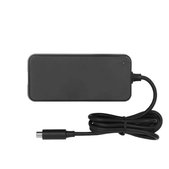
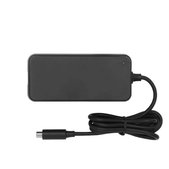
External charger is a separate unit that connects to an electrical outlet and the scooter's charging connector. In the event of a fault or damage, it can be replaced with a compatible model without interfering with the inside of the device.
Built-in charging adapter is part of the design of a specific scooter. Its replacement may require disassembly of the device and professional intervention. This solution is used, for example, by selected Ninebot Segway models.
When purchasing, it is therefore necessary to distinguish whether you are looking for a separate external charger or a spare component of the internal charging system.
When might the charger need to be replaced?
Several signs may indicate a problem with the charger:
- The scooter is not charging – charging does not start after connecting the charger.
- Charging is interrupted – the charging process is unstable or repeatedly stops.
- Damaged cable or connector – visible damage to the insulation, deformation or a loose connector.
- Unusual overheating – the charger becomes excessively hot or shows other unusual symptoms.
However, these symptoms do not necessarily mean that the charger itself is faulty. The problem may also be caused by the scooter's charging connector, battery or another component of the charging system.
If the charger is visibly damaged or an electrical fault is suspected, stop using it. Before replacing it, it is advisable to verify the cause of the problem or contact a professional service centre.
Safe charging of an electric scooter
When charging, use only a charger that meets the requirements of the specific device. Before connecting, check that the charging cable, connector and charger itself show no signs of damage.
Charge the scooter in a dry environment, away from sources of excessive heat and in accordance with the manufacturer's recommendations. Do not cover the charger during operation and ensure sufficient ventilation.
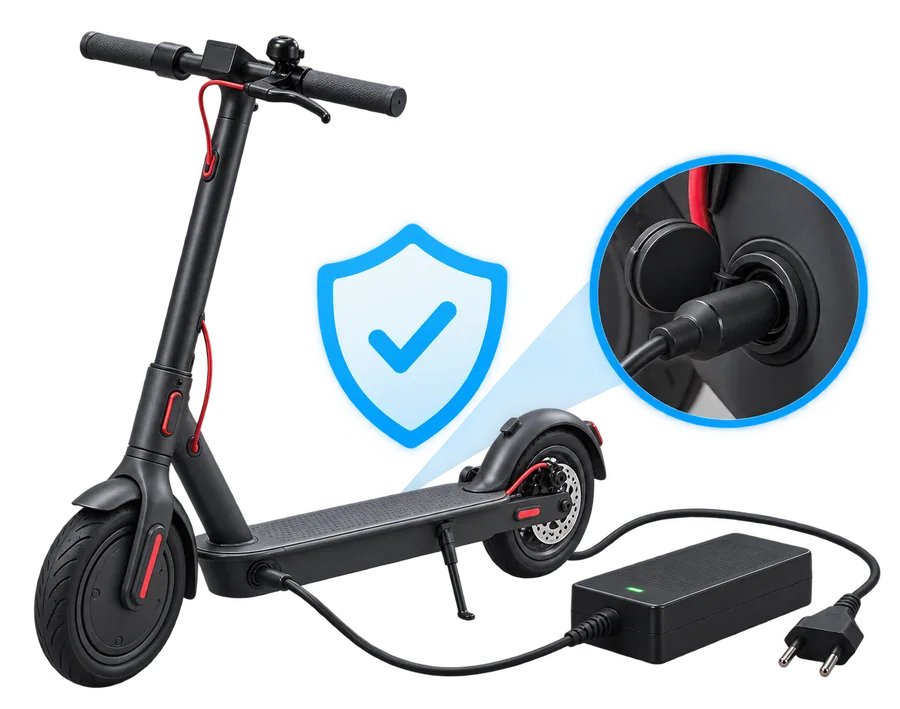
Using an incompatible or damaged charger may damage the battery or charging system, or pose a safety risk.
Frequently Asked Questions (FAQ)
Only if the higher charging current is supported by the charging system of the specific scooter. A charger with a higher A value may shorten charging time with a compatible system, but this does not mean that it is automatically suitable for every device. Always follow the values recommended by the manufacturer.
No, unless its output voltage corresponds to the requirements of the scooter's charging system. For example, chargers with 42 V and 54.6 V outputs are not automatically interchangeable, even if they use the same connector. Incorrect voltage may damage the electronics or battery.
Yes, but only if its electrical parameters, connector, polarity and other requirements correspond to the specific device. The universal designation does not mean compatibility with all scooters. All required parameters must be verified before use.
A lit indicator on the charger does not necessarily mean that charging is proceeding correctly. The problem may be related to a damaged connector, battery, charging circuit or the charger itself. If the cause is not obvious, professional diagnostics are recommended instead of repeatedly trying different chargers.
An original charger comes from the device manufacturer or its approved supply system. An aftermarket charger is made by a different manufacturer as an alternative spare product. When choosing, compatibility, correct technical parameters and product safety are decisive, not just its designation.

