


How to choose charging cables, adapters and power banks?
When choosing accessories, it is important to consider what you need them for – charging devices, transferring files, connecting a monitor or having enough power on the go. For cables, the correct connector and supported functions are important; for chargers, power output and compatibility; and for power banks, especially capacity and intended use.
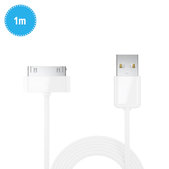
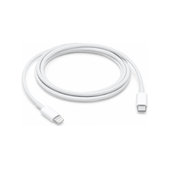
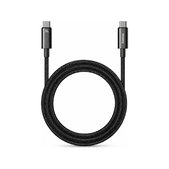
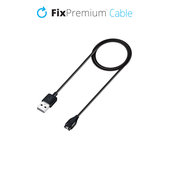
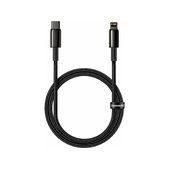
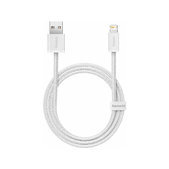
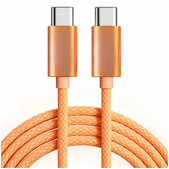
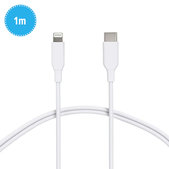
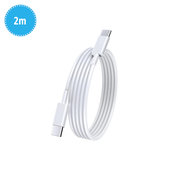
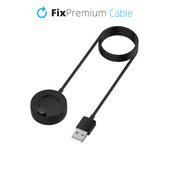
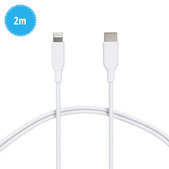
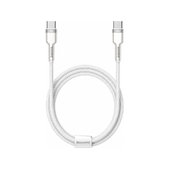
Charging and data cables
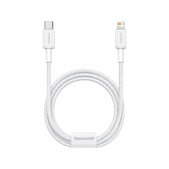
Choose a cable according to your device, connector type and supported charging power.
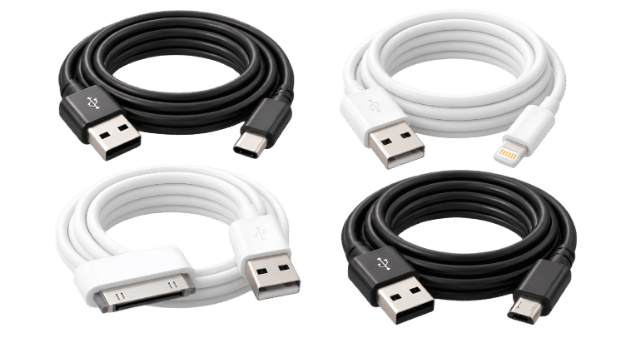
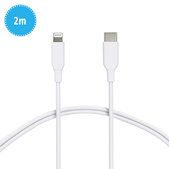
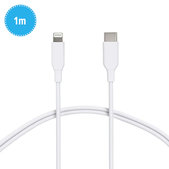
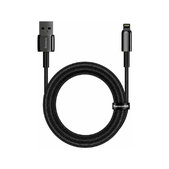
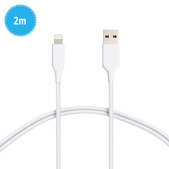
What should you look out for? Charging cables differ in their connectors, power output and data transfer speed. With USB-C cables, check the supported power output – 60 W is sufficient for most smartphones, while more powerful laptops may require 100 W or more. Choose the cable length according to the distance between the devices.
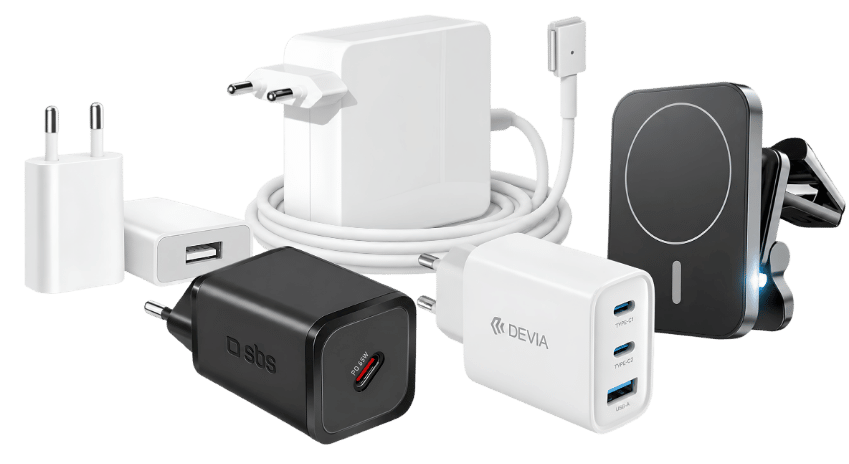
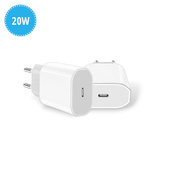
Charging adapters and chargers
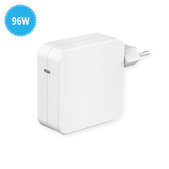
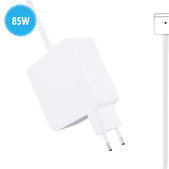
When choosing a charger, consider the adapter type, power output, connector and number of ports.
Which charger should you choose? Standard adapters with a power output of 5–15 W are sufficient for everyday charging, while compatible fast chargers enable shorter charging times. A 20–30 W USB-C PD charger is suitable for many smartphones.
Selected iPhones can be charged to approximately 50% in 30 minutes. Charging speed depends on the device, adapter and cable. For example, selected Samsung Galaxy models with 45 W charging require a compatible PD/PPS adapter and a 5 A USB-C cable.
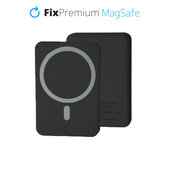
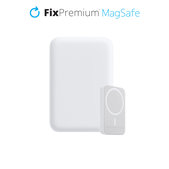
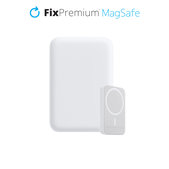
Power banks
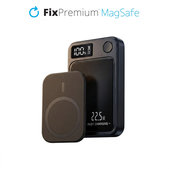
When choosing a power bank, consider its capacity, power output, features, dimensions and weight.
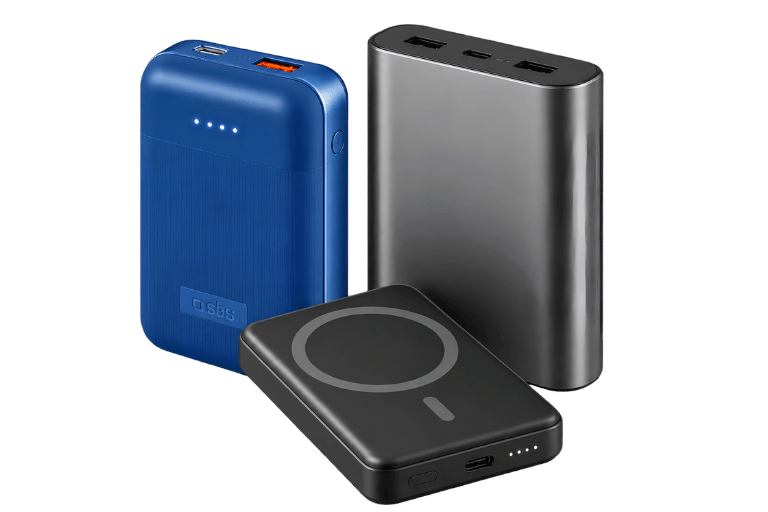
What power bank capacity do you need?
Approximate number of charges for a smartphone with a battery of around 5,000 mAh when charging via cable.
Frequently Asked Questions (FAQ)
Yes, if it is compatible. The phone regulates the power it draws, so a 65 W adapter will not automatically charge it at 65 W.
A cable with the correct connector and supported power output. A 60 W USB-C cable is sufficient for most smartphones. Selected Samsung models with 45 W charging require a 5 A cable and a compatible adapter.
mAh indicates the capacity of a power bank's battery. Wh (watt-hours) expresses the amount of stored energy and is also used for air travel limits.
Yes, if the laptop supports USB-C charging. You need a compatible charger and a cable with sufficient power output.
Yes, but only in carry-on baggage. Check the conditions with the specific airline.
Standard chargers provide ordinary charging power. Fast chargers support higher power output and technologies such as USB PD or QC, enabling faster charging of compatible devices.

