


Which mobile phone case or cover should you choose?
Mobile phone cases and covers differ in material, construction and protective properties. The main types include back cases (silicone and leather), wallet cases and rugged cases. Each type provides a different way of protecting your phone.
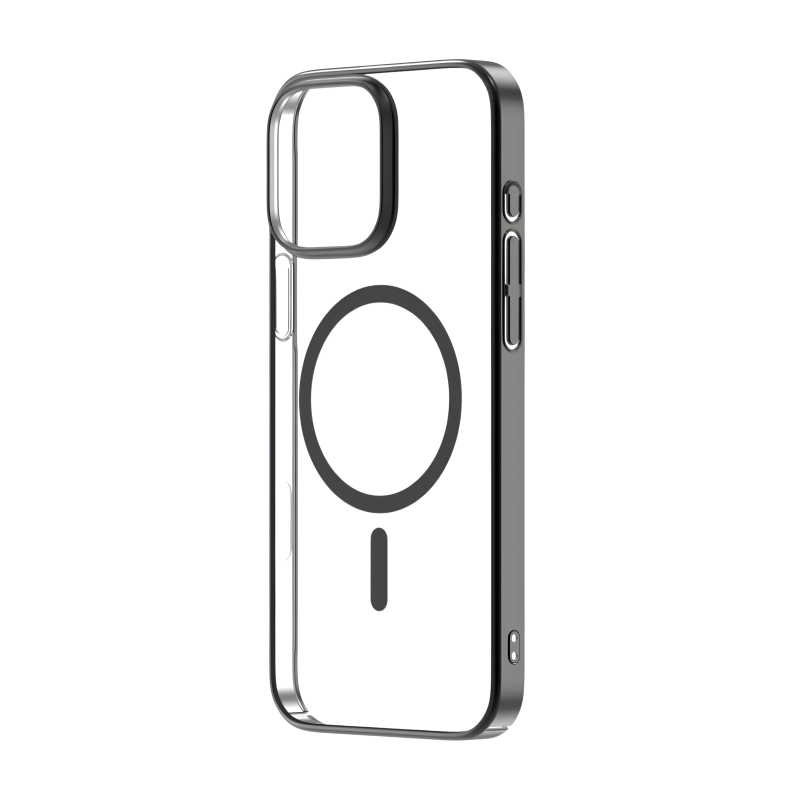
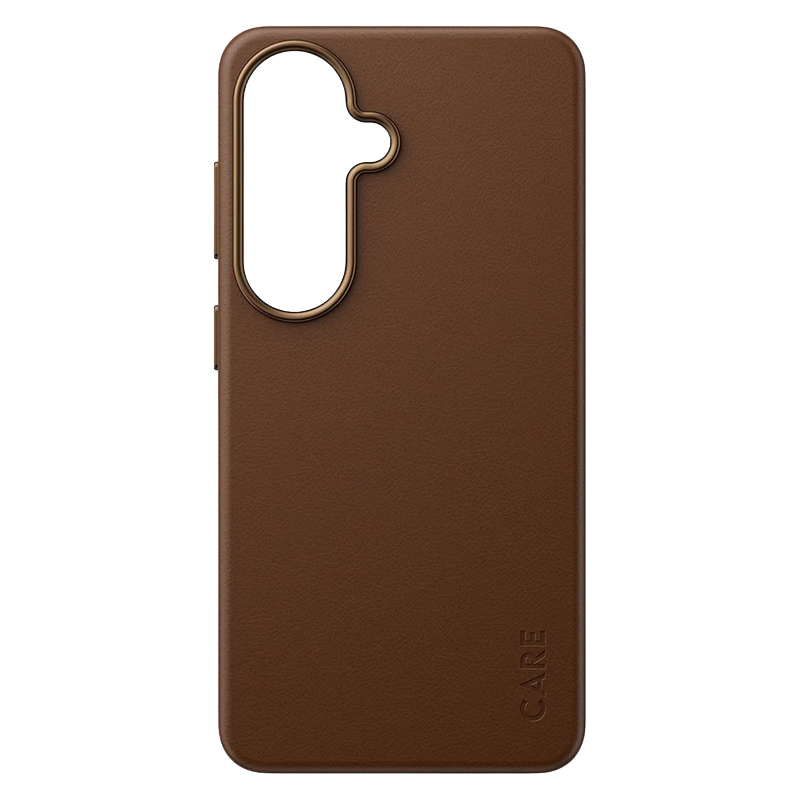
Back cases for mobile phones – silicone and leather
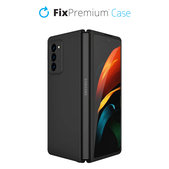
Back cases protect the back and sides of the phone while leaving the display freely accessible. They are available in various materials, colours and construction types.
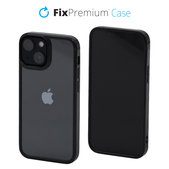
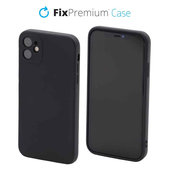
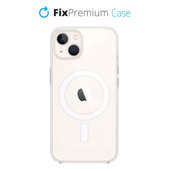
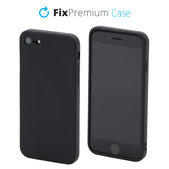
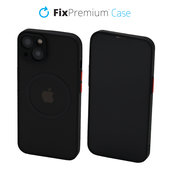
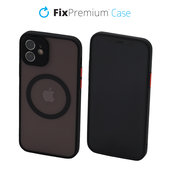
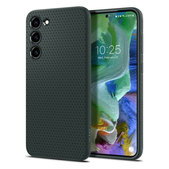
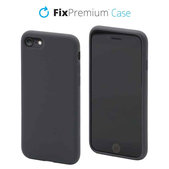
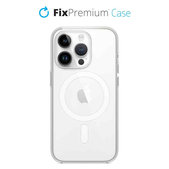
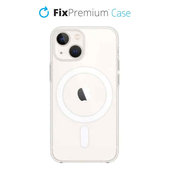
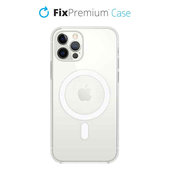
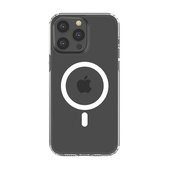
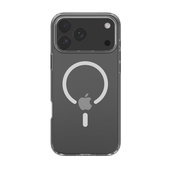
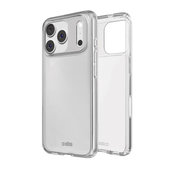
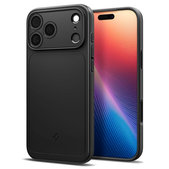
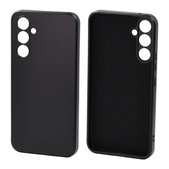
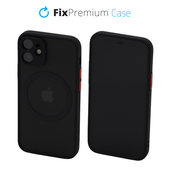
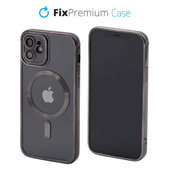
Silicone cases – when choosing, it is important to distinguish between thin and sturdier versions. Thin silicone cases preserve the phone's compact dimensions and mainly provide basic protection against scratches. Sturdier and thicker versions may absorb impacts better and protect the phone's corners. Transparent, coloured, matte and MagSafe-compatible versions are available. Some models include an integrated stand, for example for watching videos.
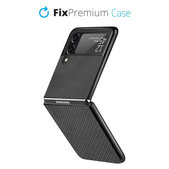
Leather cases – they are characterised by an elegant appearance and pleasant surface. They are made of natural or synthetic leather and often have a solid inner construction. Their protective properties depend on the specific design.
Wallet (flip) cases for mobile phones
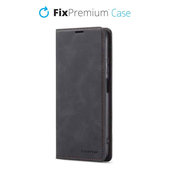
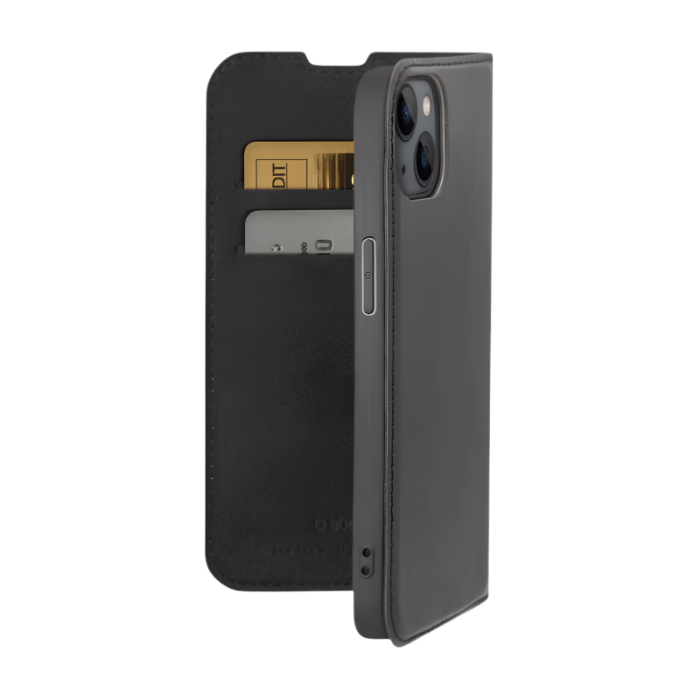
Wallet cases, also known as closing or flip cases, protect the back, sides and, when closed, the display of the phone. The front section opens like a book.
Some models offer practical features such as compartments for payment cards, magnetic closure or an integrated stand for watching videos. Their disadvantages may include larger dimensions and the need to open the case when using the display.
Rugged mobile phone cases
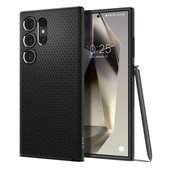
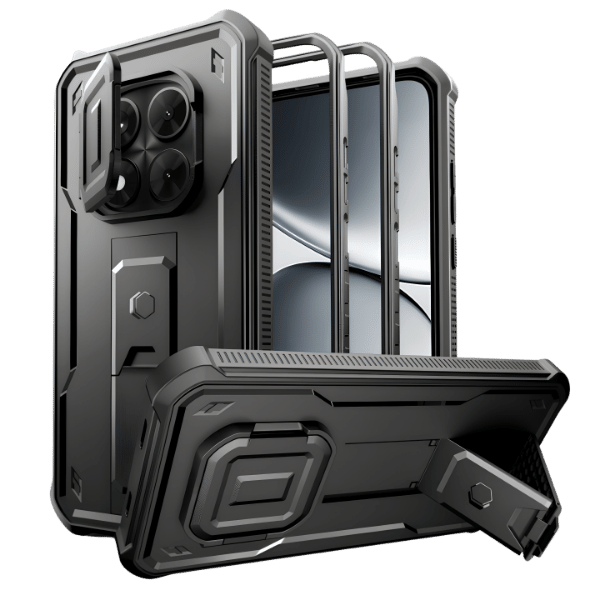
Rugged cases provide increased protection for the phone against impacts and falls. They may have reinforced corners, a multi-layer construction, raised edges or protective front frames.
Some models combine rigid plastic and flexible materials that help absorb impact energy. Front frames may provide additional protection for the phone's edges. The disadvantage of a more robust construction is usually greater thickness and weight.
How do you choose the right mobile phone case?
When choosing, pay attention to these features:
- Compatibility: The case must exactly match the phone model so that it fits correctly and does not restrict access to the cameras, buttons and connectors.
- Protective glass or film: Check whether the case is compatible with the screen protector. Its edges must not press against the protective glass and cause it to peel off.
- Construction: Pay attention to the material thickness, reinforced corners and raised edges around the display or cameras.
- Dimensions and comfort: The case can affect the phone's thickness, weight and grip. The surface finish is also important.
- Additional features: If you use wireless charging, MagSafe or magnetic accessories, check their compatibility with the case.
Comparison of mobile phone cases and covers
Complete mobile phone protection
A back case alone generally does not protect the entire display surface. For more comprehensive protection, we therefore recommend combining it with tempered protective glass or a protective film. Protective glass helps protect the display from some impacts and scratches, while film mainly protects the surface from scratches.
Frequently Asked Questions (FAQ)
A rugged case designed to absorb impacts. Its construction, reinforced corners and any drop-resistance testing are important; the manufacturer may state the test results.
In everyday use, these terms are often synonyms. A back cover or case usually covers the sides and back of the phone, while a wallet case also has a closing front section.
A case with built-in magnets for attaching compatible accessories. The magnets allow chargers or holders to be attached, but the case itself does not add wireless charging functionality to the phone.
Yes, if the phone supports it and the case does not interfere with charging. A case that is too thick or metal components may reduce charging efficiency or prevent charging altogether.
According to the exact phone model listed with the product. Devices that look similar may have different dimensions and button and camera placement.

