









Which Case or phone cover should you choose?
Phone cases and covers differ in material, construction and protective properties. The main types include back cases (silicone and leather), folio cases and durable cases. Each type provides a different way of protecting your phone.
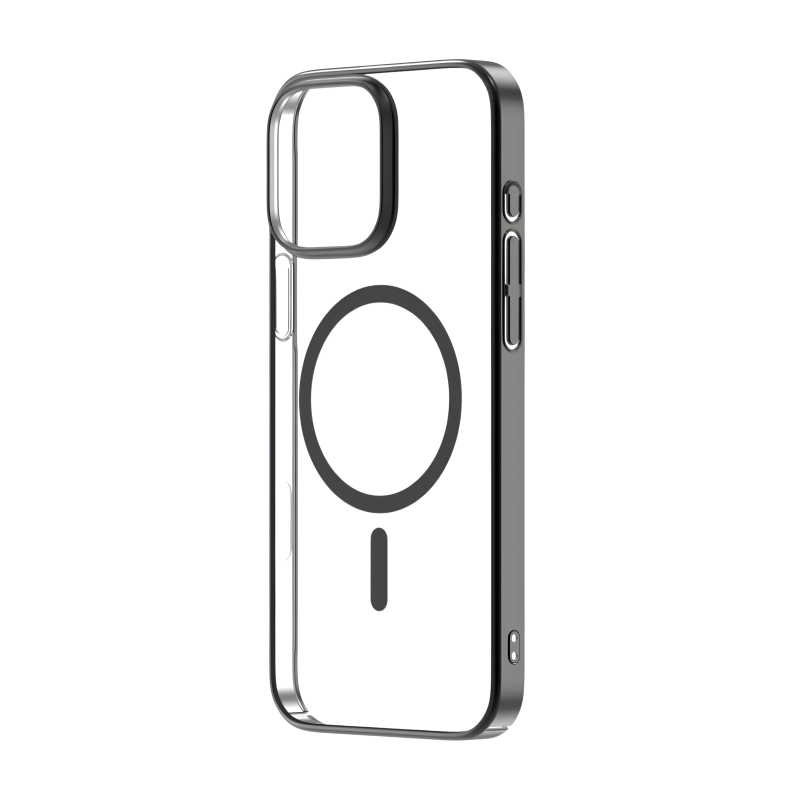
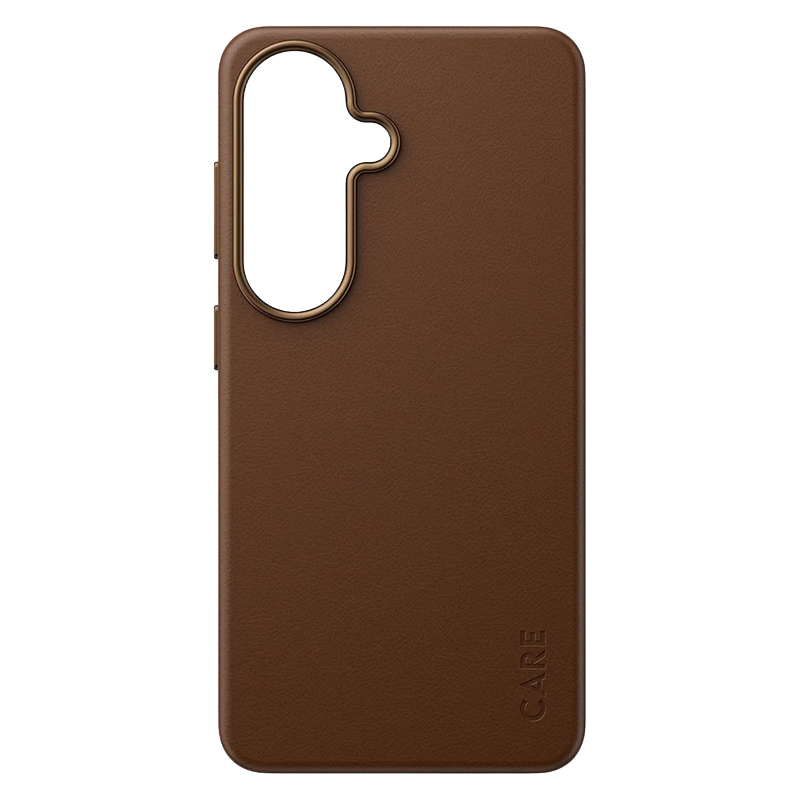
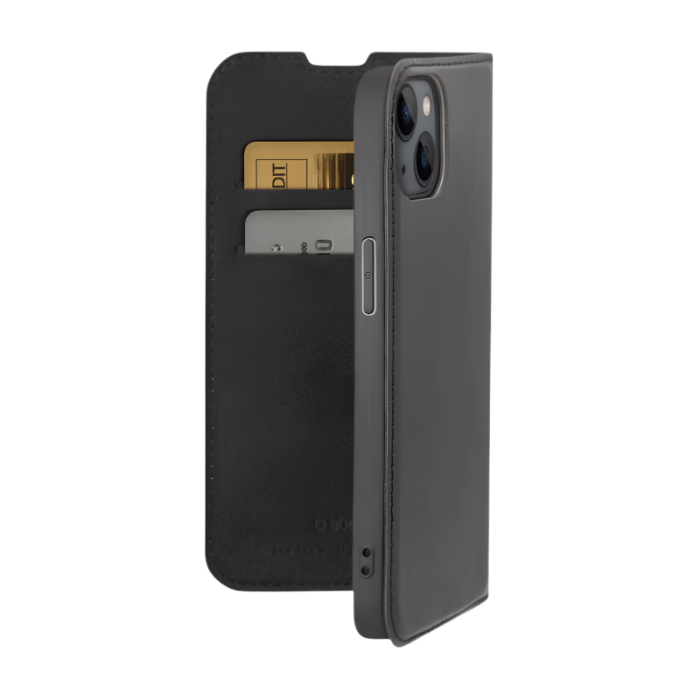
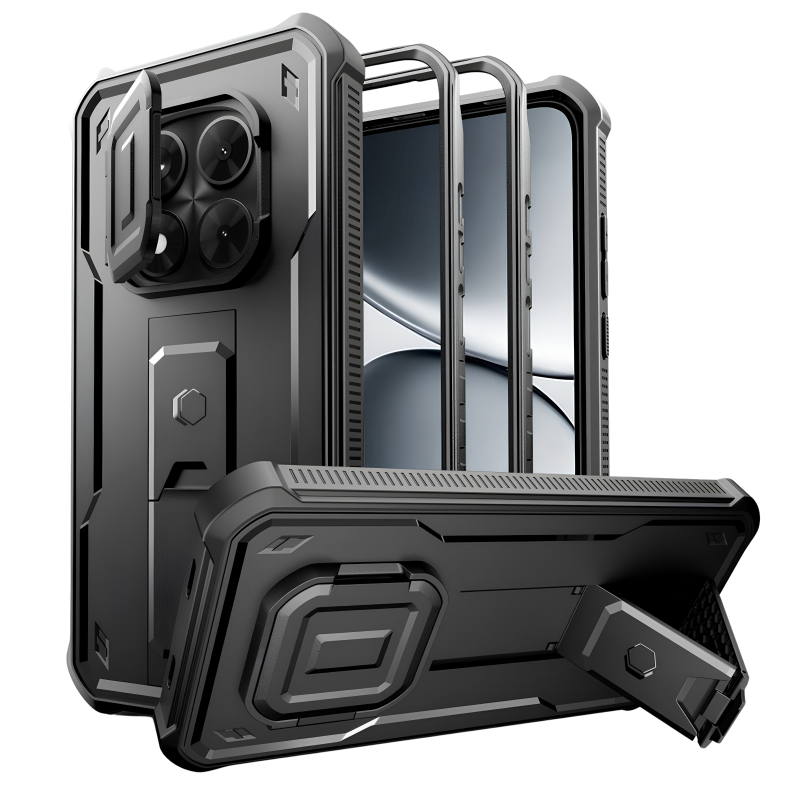
Back cases for phones – silicone and leather
Back cases protect the back and sides of the phone, while the Display remains freely accessible. They are available in various materials, colours and designs.
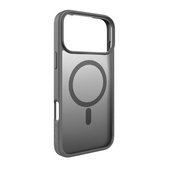
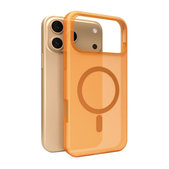
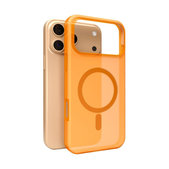
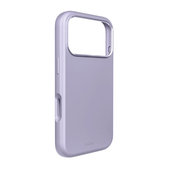
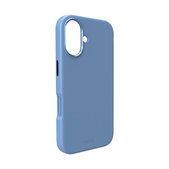
Silicone cases – when choosing, it is important to distinguish between a thin and more rigid design. Thin silicone cases preserve the phone's compact dimensions and mainly provide basic protection against scratches. More rigid and thicker variants may absorb impacts better and protect the phone's corners. They are available in transparent, coloured, matte variants, as well as variants with MagSafe support. Some models include an integrated stand, for example for watching videos.
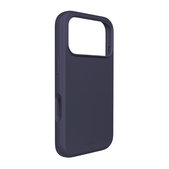
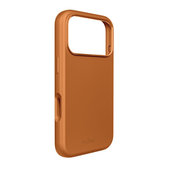
Leather cases – They feature an elegant appearance and a pleasant surface. They are made of natural or synthetic leather and often have a rigid inner construction. Their protective properties depend on the specific design.
Folio (flip) phone cases
Folio cases, also known as flip cases, protect the back, sides and when closed also the Display of the phone. The Front part opens like a book.
Some models offer practical features such as payment card slots, magnetic closure or an integrated stand for watching videos. Their disadvantages may include larger dimensions and the need to open the case when using the display.
Durable phone cases
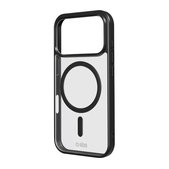
Durable cases provide enhanced protection for the phone against impacts and falls. They may have reinforced corners, a multi-layer construction, raised edges or protective front frames.
Some models combine rigid plastic and flexible materials that help absorb impact energy. Front frames may provide additional protection for the phone's edges. A disadvantage of a more robust construction is usually greater thickness and weight.
How do you choose the right Case for a phone?
When choosing, pay attention to the following features:
- Compatibility: Case must precisely match the phone model so that it fits correctly and does not restrict access to the cameras, buttons and connectors.
- Tempered glass or screen protector: Check that the Case is compatible with the screen protector. Its edges must not press against the tempered glass and cause it to peel off.
- Construction: Pay attention to the material thickness, reinforced corners and raised edges around the display or cameras.
- Dimensions and comfort: Case can affect the thickness, weight and grip of the phone. The surface finish is also important.
- Additional features: If you use wireless charging, MagSafe or magnetic accessories, check their compatibility with the case.
Comparison of phone cases and covers
| Case type | Characteristics | for whom it is suitable |
|---|---|---|
| Thin silicone case | Basic protection against scratches | for those who want to preserve the phone's original dimensions as much as possible |
| More rigid silicone case | Thicker or reinforced construction for better impact absorption | For everyday use with with an emphasis on protection |
| Leather case | Elegant appearance and pleasant surface | for those who prefer design |
| Folio case | Also covers the Display, and may contain card slots | for those who want protection from multiple sides |
| Durable Case | Reinforced corners, rigid construction or front frames | For a higher risk of impacts and falls |
On a mobile device, scroll the table horizontally.
Complete mobile phone protection
A Rear Housing alone generally does not protect the entire display surface. for more comprehensive protection, we therefore recommend combining it with tempered glass protector or screen protector film. Tempered glass helps protect the Display against some impacts and scratches, while film mainly protects the surface from scratches.
Frequently asked questions
A durable Case designed to absorb impacts. Its construction, reinforced corners and any drop-resistance testing are important; the manufacturer may state the results.
In everyday use, these are often synonyms. A Rear Housing or case generally covers the sides and back of the phone, while a folio case also has a closing front section.
A Case with built-in magnets for attaching compatible accessories. The magnets allow chargers or holders to be attached, but the Case itself does not add wireless charging functionality to the phone.
Yes, if the phone supports it and the Case does not interfere with charging. A case that is too thick or metal elements may reduce charging efficiency or prevent it altogether.
According to the exact phone model specified with the product. Devices that look similar may have different dimensions, button placement and cameras.

